Location
Thane & Mulund
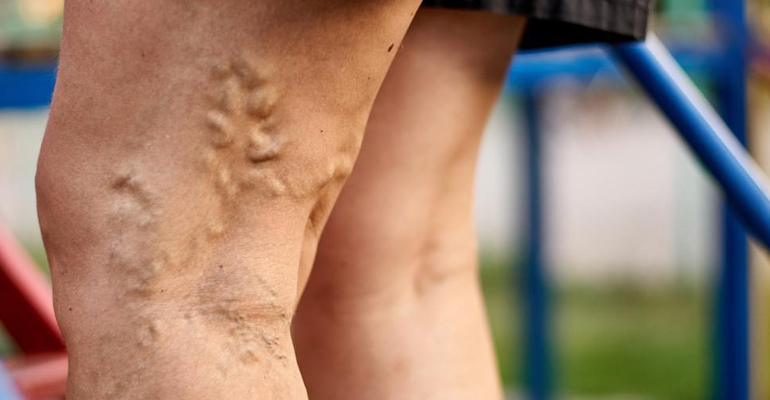
Varicose veins are enlarged, twisted, and often painful veins that can develop in various parts of the body, but they most commonly occur in the legs. They are primarily a result of weakened or damaged valves in the veins, which are responsible for regulating blood flow back to the heart. When these valves do not function properly, blood can pool in the veins, causing them to become dilated and tortuous. Varicose veins are a common condition and can lead to discomfort, pain, and cosmetic concerns. Here are some key points about varicose veins:
Symptoms:
Varicose veins can cause a range of symptoms, including aching or pain, swelling, cramping, and a heavy or tired feeling in the legs. They can also lead to skin changes near the affected veins, such as darkening, inflammation, or the development of ulcers.
Risk Factors:
Several factors increase the risk of developing varicose veins, including genetics (family history), age, gender (women are more prone to them), pregnancy, obesity, and prolonged periods of standing or sitting.
Diagnosis:
A physical examination by a healthcare provider is usually sufficient to diagnose varicose veins. In some cases, additional tests like duplex ultrasound may be used to assess the blood flow in the affected veins and plan treatment.
Conservative Management:
Mild cases of varicose veins may be managed through conservative measures, such as wearing compression stockings, elevating the legs, regular exercise, and weight management. These strategies can help alleviate symptoms and prevent worsening.
Medical Interventions:
More severe cases of varicose veins may require medical treatment, which can include:
Endovenous Laser Ablation (EVLA):
A minimally invasive procedure that uses laser energy to close off the damaged veins.
Radiofrequency Ablation (RFA):
Similar to EVLA but using radiofrequency energy to seal the problematic veins.
Sclerotherapy:
A procedure that involves injecting a solution into the veins, causing them to collapse and eventually be reabsorbed by the body.
Surgical Vein Stripping:
In cases where less invasive treatments are not suitable, surgical removal of the varicose veins may be necessary.
Prevention:
While not all cases of varicose veins can be prevented, you can reduce your risk by maintaining a healthy weight, staying physically active, avoiding prolonged periods of sitting or standing, and elevating your legs when possible.
Consultation:
If you suspect you have varicose veins or are experiencing symptoms, it's essential to consult with a healthcare provider, such as a vascular specialist or a vein specialist. They can assess your condition and recommend the most appropriate treatment options.
Varicose veins are a common medical issue, and treatment options have improved significantly over the years. If you're concerned about varicose veins or experiencing related symptoms, consult a healthcare professional to discuss the best course of action for your specific situation.