Location
Thane & Mulund
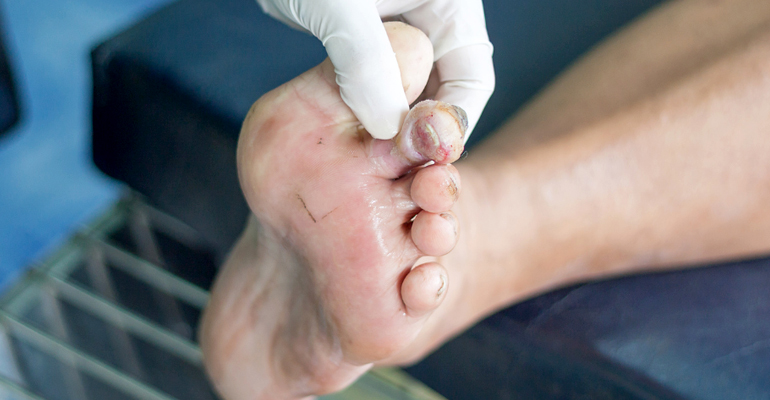
Diabetic foot management is a critical aspect of diabetes care, as people with diabetes are at an increased risk of developing foot problems that can lead to serious complications if not properly managed. Diabetic foot management aims to prevent and address foot issues, promote foot health, and reduce the risk of complications, including infections, ulcers, and amputations. Here are some key aspects of diabetic foot management:
Daily Foot Care:
- Individuals with diabetes should inspect their feet daily for any changes, cuts, blisters, calluses, redness, or sores. A handheld mirror can help examine hard-to-see areas.
- Wash feet daily with warm water and mild soap, and dry them thoroughly, paying special attention to the spaces between the toes.
Proper Footwear:
- Wear comfortable, well-fitting shoes that provide proper support and protection for the feet.
- Avoid shoes that are too tight, have seams or rough spots inside, or lack cushioning.
Regular Foot Exams:
- Schedule regular foot exams with a healthcare provider, preferably a podiatrist or foot specialist.
- If you have neuropathy (nerve damage), which is common in diabetes, regular foot exams are crucial.
Nail Care:
- Trim toenails straight across and not too short. Avoid cutting into the corners, which can lead to ingrown toenails.
- Consider professional nail care by a podiatrist if necessary.
Moisturizing:
- Apply a moisturizing cream or lotion to the feet daily, but avoid applying it between the toes to prevent excessive moisture buildup.
Managing Calluses and Corns:
- Do not attempt to remove calluses or corns yourself; consult a healthcare professional for safe removal.
- Avoid over-the-counter callus removers or sharp objects.
Managing Neuropathy:
- Neuropathy can reduce sensation in the feet. Check the feet for injuries or signs of damage regularly, even if you don't feel pain.
- Maintain blood sugar levels within the target range to help prevent or slow the progression of neuropathy.
Blood Sugar Control:
- Keeping blood sugar levels in a target range is essential to prevent or slow the development of diabetic complications, including foot problems.
Smoking Cessation:
- If you smoke, quitting is crucial, as smoking impairs blood flow to the feet and increases the risk of complications.
Education and Self-Care:
- Diabetes education is vital to understanding the risk factors and preventive measures for foot problems.
- Follow your healthcare provider's recommendations, especially regarding foot care and daily self-exams.
Treatment of Foot Ulcers or Infections:
- If you notice an ulcer, infection, or any concerning changes in your feet, seek prompt medical attention.
- Foot ulcers and infections need to be treated aggressively to prevent complications and amputations.
Custom Orthotics and Footwear:
- In some cases, individuals with diabetes may benefit from custom-made orthotic inserts or diabetic footwear to alleviate pressure points and reduce the risk of foot problems.
Diabetic foot management is a lifelong commitment for individuals with diabetes. Preventive care, good hygiene, and regular monitoring are essential to reduce the risk of foot complications and maintain overall foot health. Working closely with a healthcare team, including a podiatrist, can help ensure proper management of diabetic foot issues.